

Porsche 996 | The Next Big Thing?
There is a peculiar law governing the Porsche 911.
First, everyone hates the new one.
Then everyone decides the previous one was brilliant.
Then everyone decides the one before that was a masterpiece.
And eventually, someone pays £100,000 for the privilege of owning the same car that, 15 years earlier, you could trade for some magic beans.
This is how we arrived at the Porsche 996.
For years, the 996 was the awkward middle child of the 911 family. The 964 was the cool old one. The 993 was the final, glorious air-cooled one. The 997 was the one with the good headlights. And the 996?
Well, the 996 had funny headlights and water in its engine.
Consequently, Porsche enthusiasts treated it rather like an embarrassing relative at a wedding. You knew it was technically part of the family, but you didn’t particularly want to be photographed standing next to it.
And this, of course, made it cheap.
For much of the last decade, you could buy a usable 996 Carrera for surprisingly little money. By the late 2010s, decent examples were already being talked about as having reached the bottom of the market.
That was the moment the penny started to drop.
The 996 wasn’t rubbish.
It was just unfashionable.
And that’s an important difference.
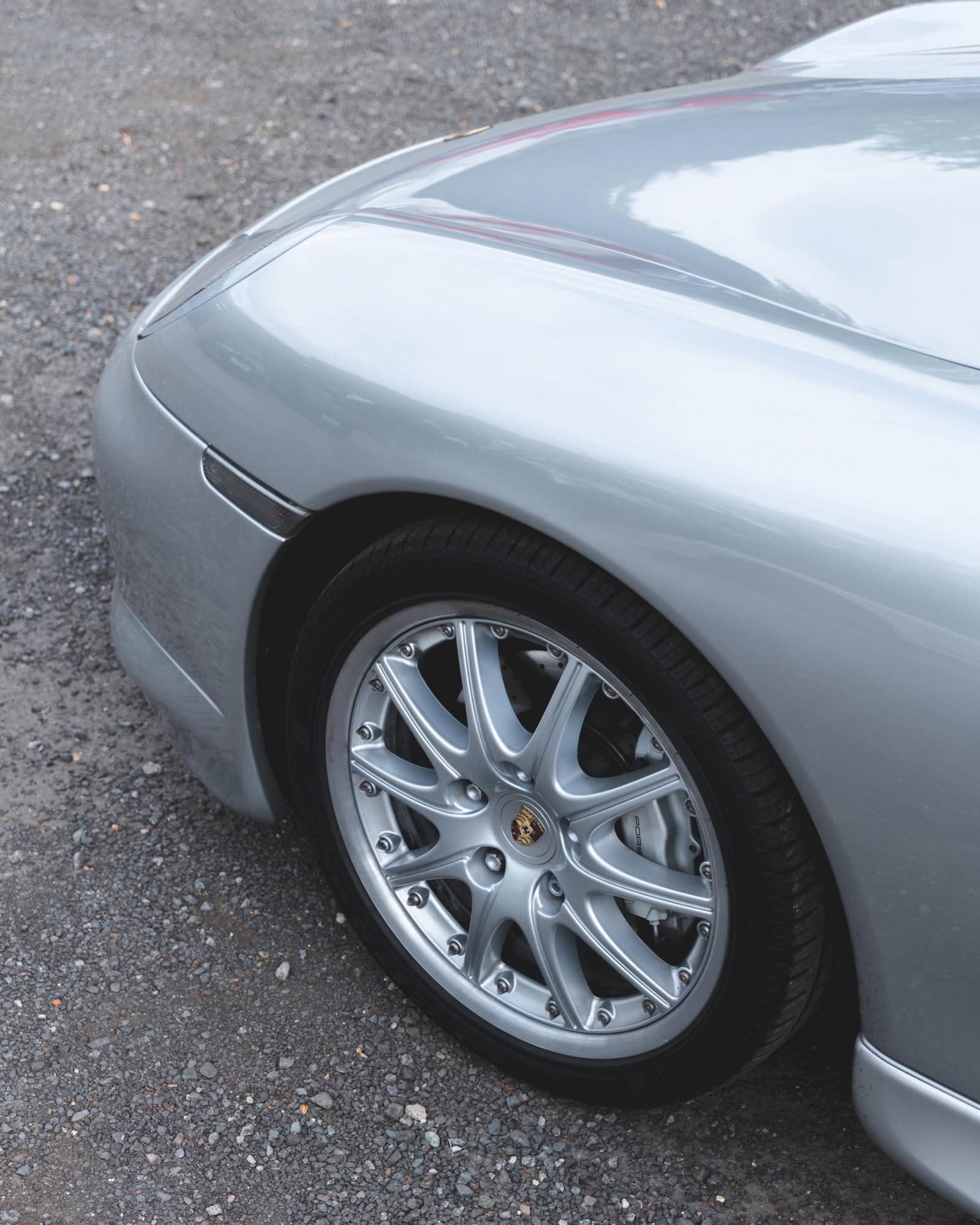
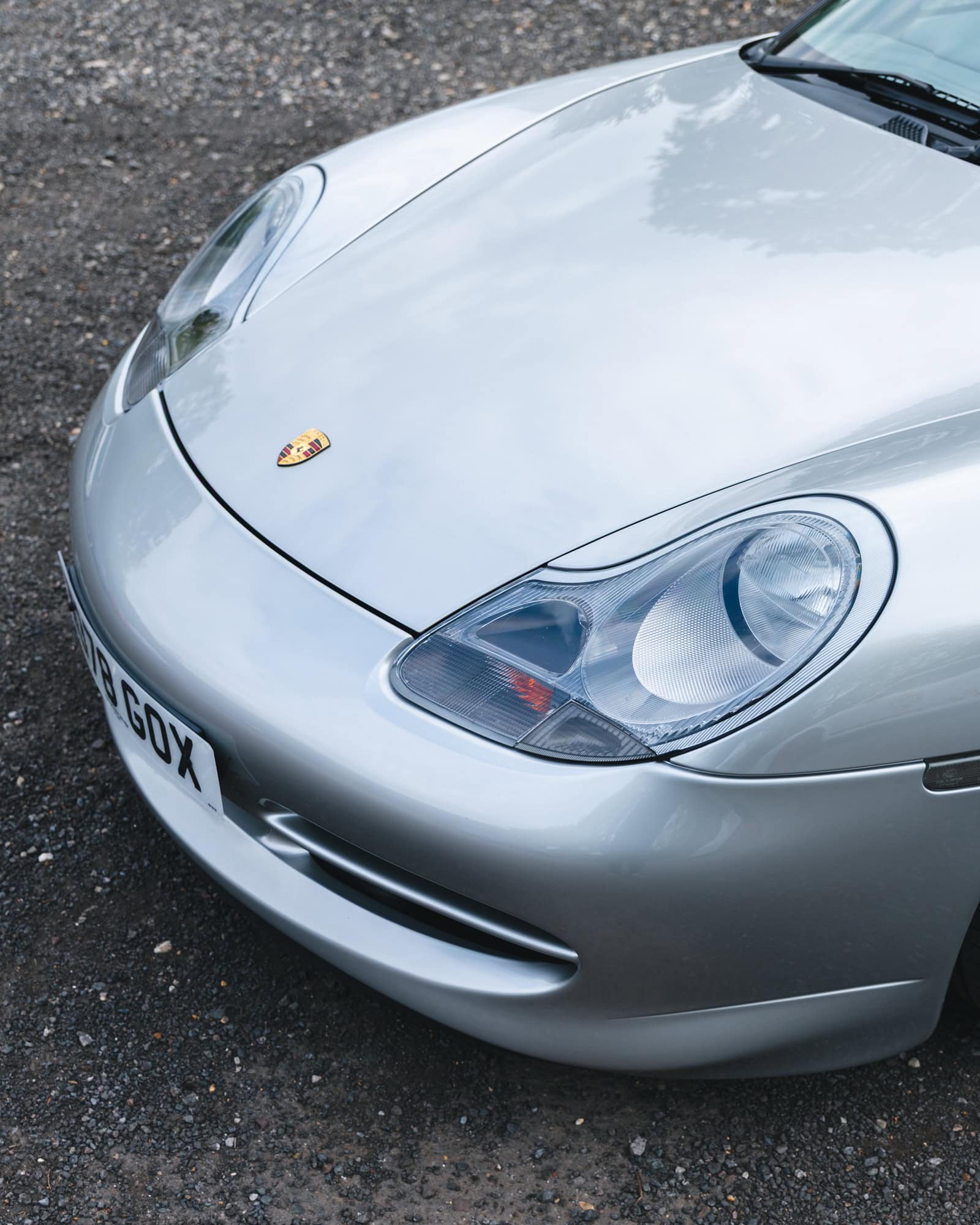
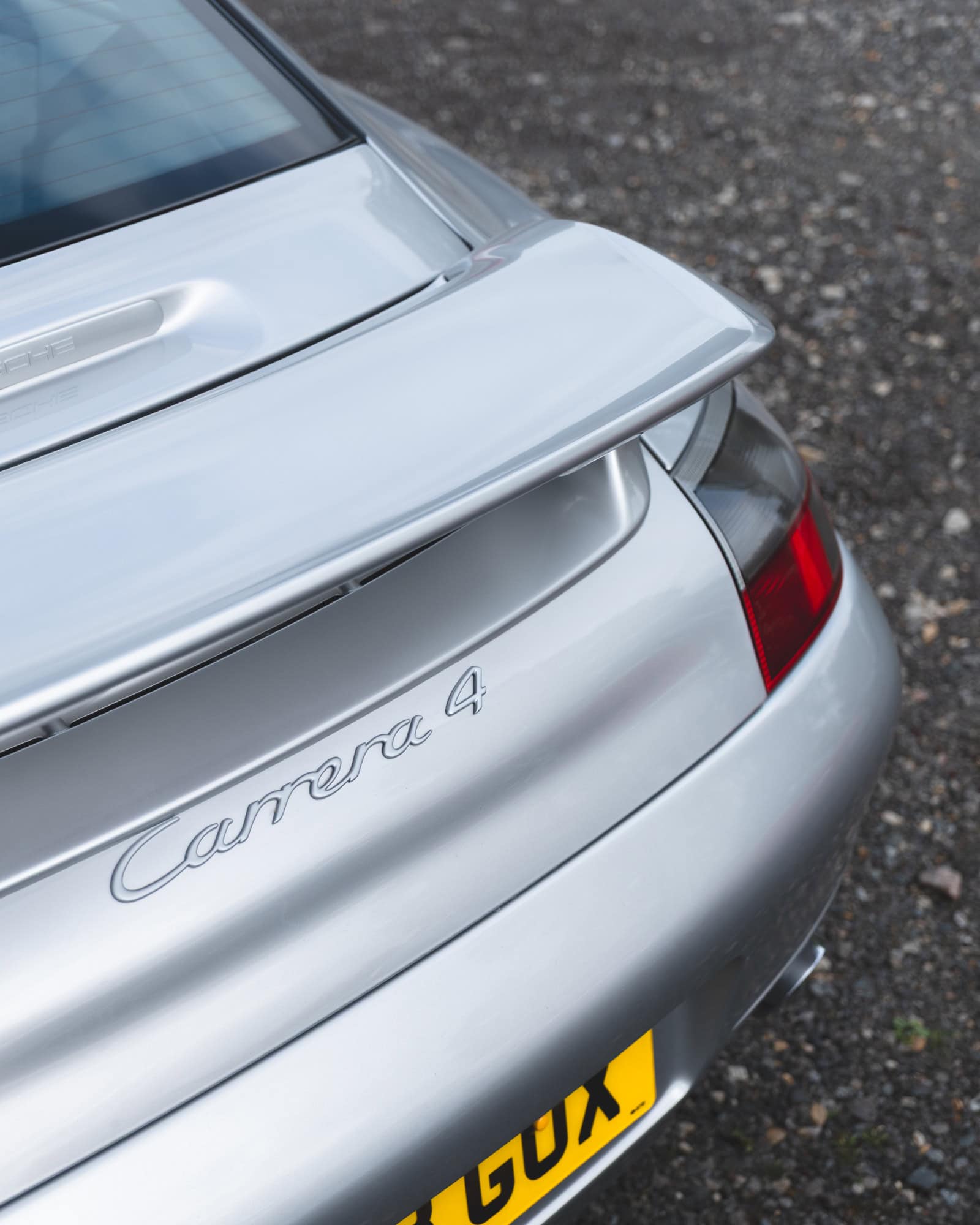
The 996, was actually rather good.
When Porsche launched the 996 in 1998, it wasn't some budget Porsche designed by accountants to make the shareholders happy.
It was, in many respects, a revolution.
The 996 was longer, wider, stiffer and lighter than the 993, while its new 3.4-litre flat-six produced around 300bhp. Most importantly, it was the first production 911 to move from air cooling to water cooling.
Sharpen your pitchforks.
Water cooled?
How very dare they.
Never mind that it allowed Porsche to build a more powerful, cleaner and more modern engine. Never mind that the 996 was quicker and more sophisticated than the car it replaced.
And never mind that it was crowned Evo Magazine's Car of the Year in 1998.
With hindsight, the 996 has increasingly been recognised for what it always was. A superb driver's car.
The history of the 911 market is essentially a giant game of musical chairs.
The air-cooled cars went first, with the likes of Singer helping push 964 prices into another universe. Then the 993 became expensive. Eventually, people who wanted a cool 911 but didn't have the GDP of Luxembourg started looking elsewhere.
Buyers priced out of the 964 and 993 began looking rather more favourably at the hamburger headlights and moved into the 996.
At the bottom are the high-mileage Carreras, which can still be found for relatively sensible money.
Then you have the good cars.
Manual. Coupe. Proper history. Good colours. Good condition. No mysterious noises.
These are the cars that are beginning to command a premium.
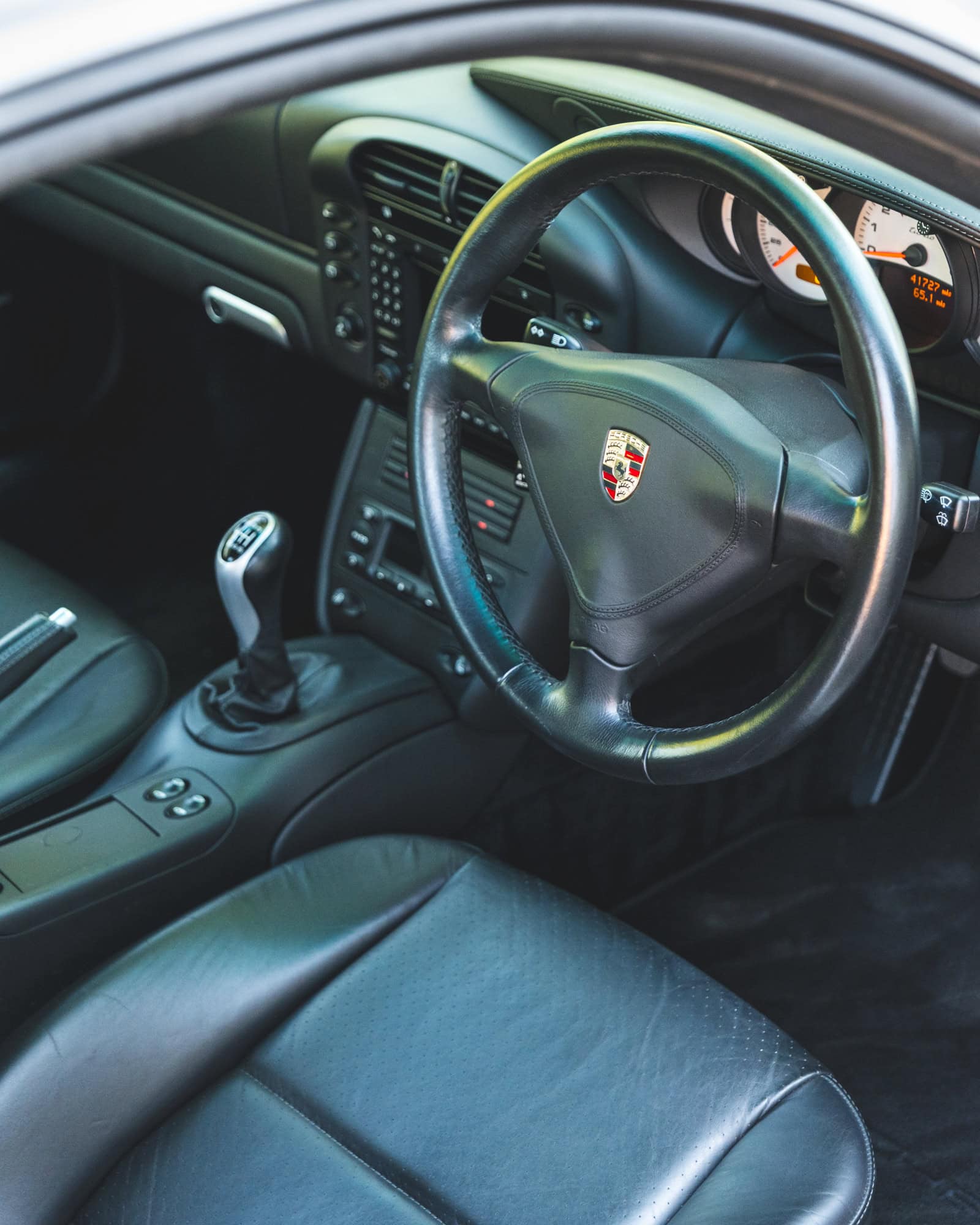
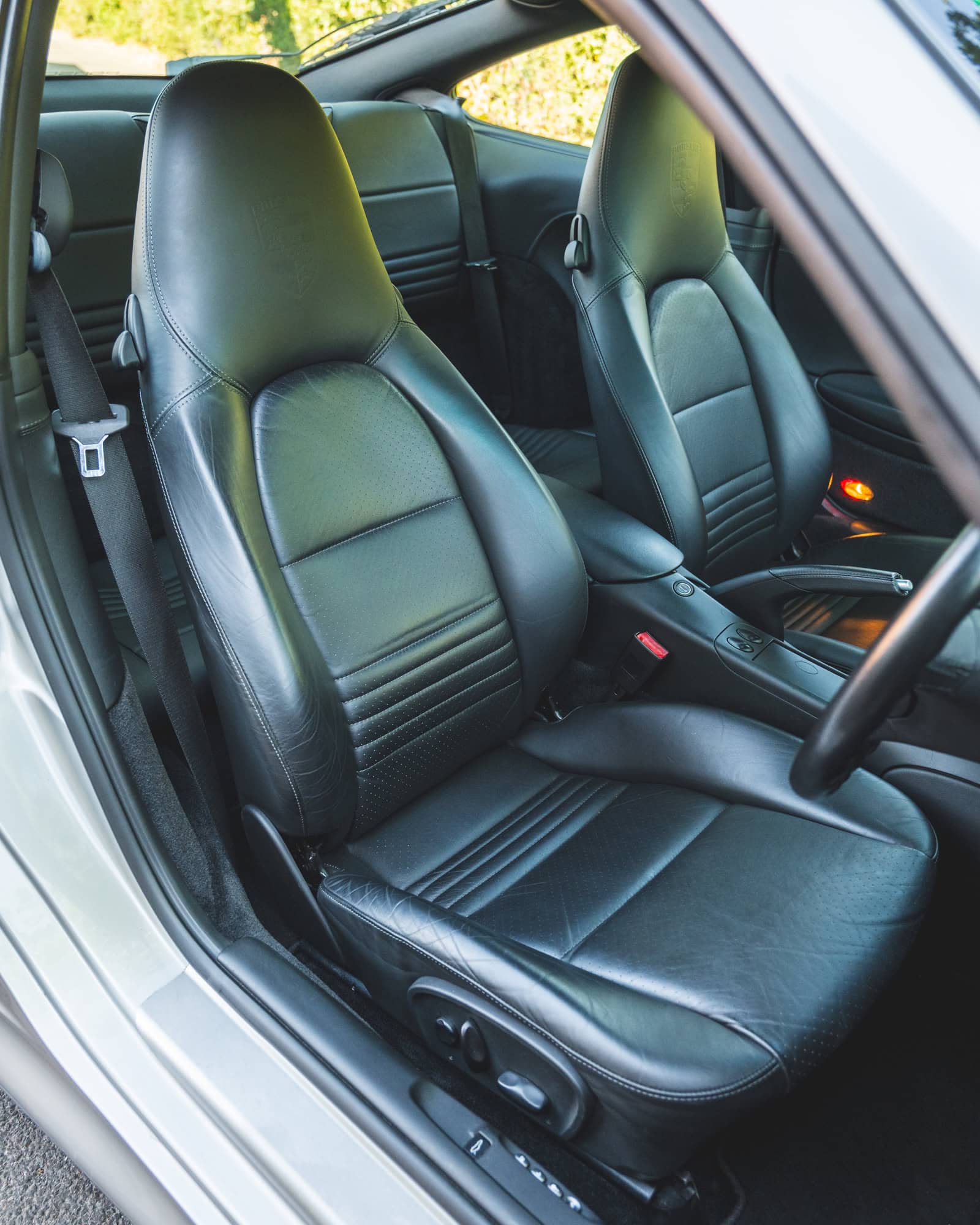
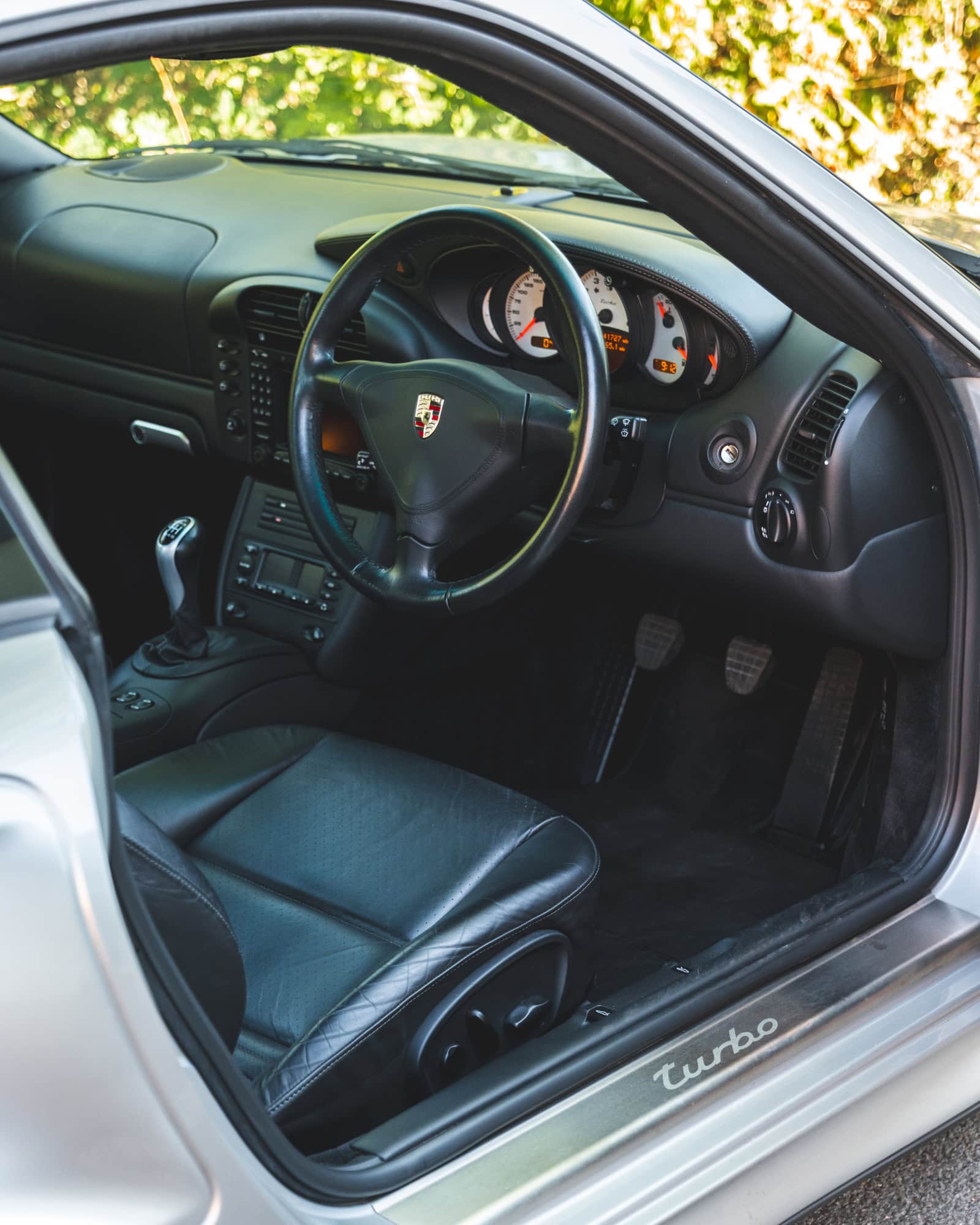
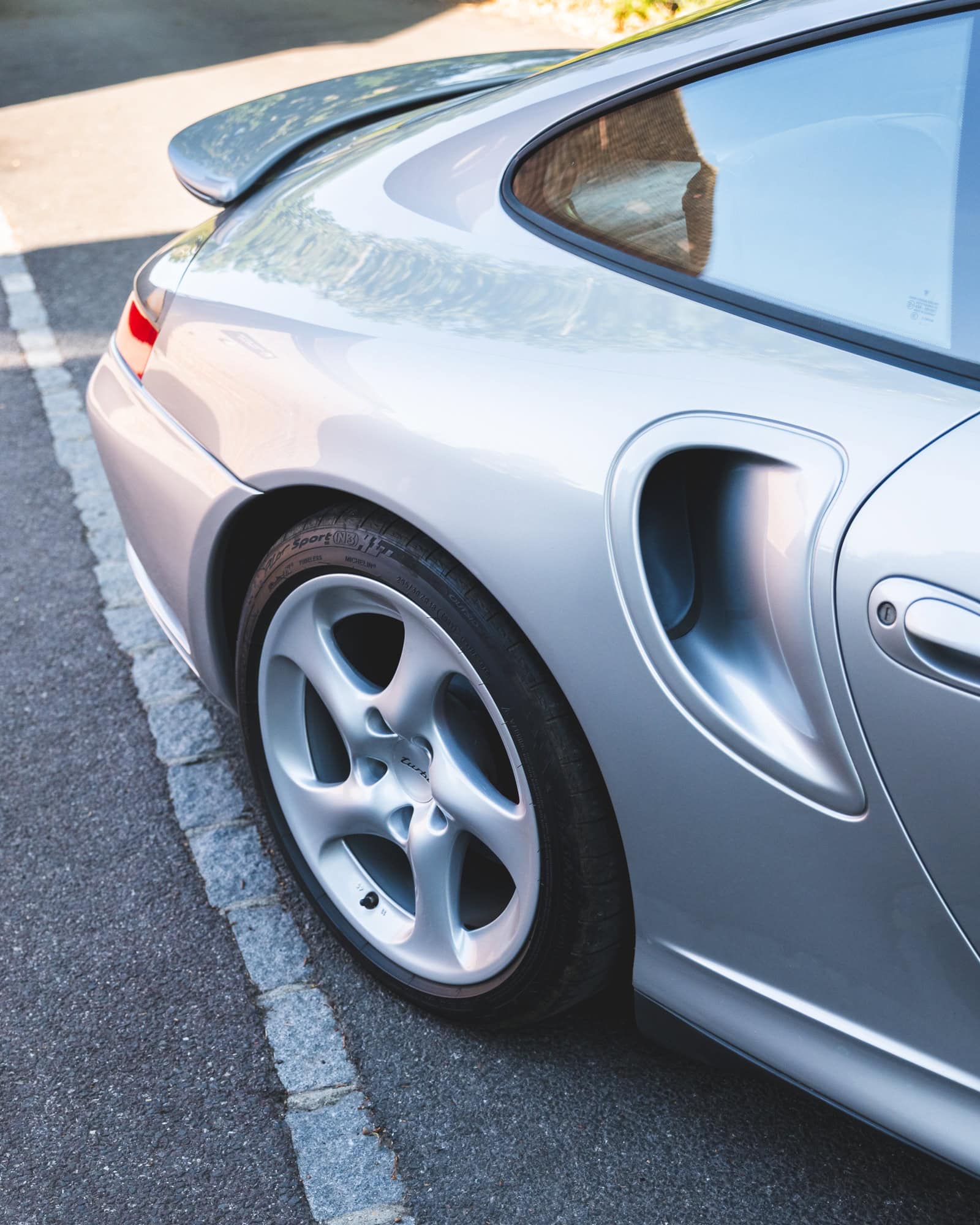
Then comes the Carrera 4S, which is where things become rather more serious.
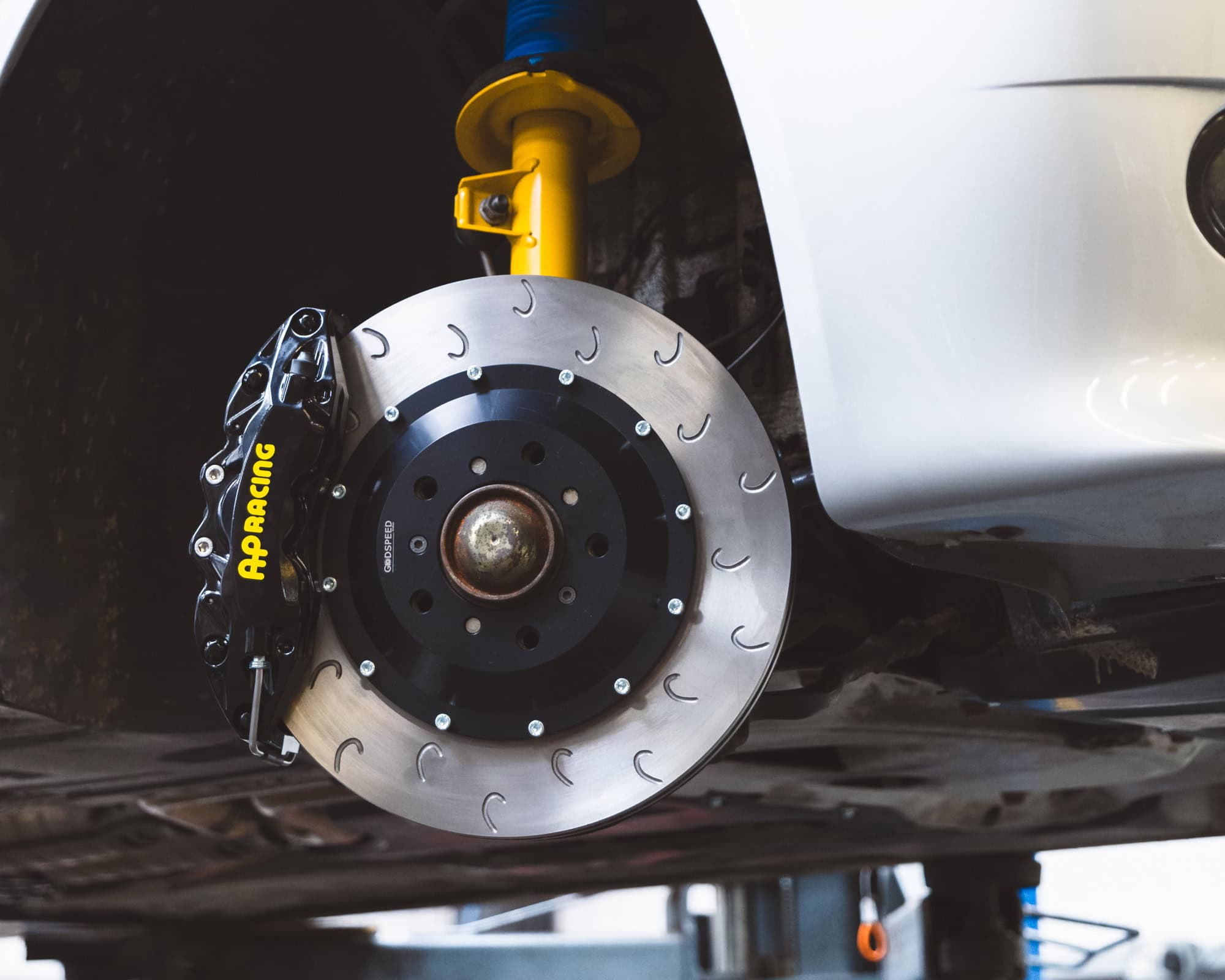
It has the wide Turbo body, wider track and bigger brakes, giving it the sort of stance that makes a standard Carrera look as though it has been left in the tumble dryer.
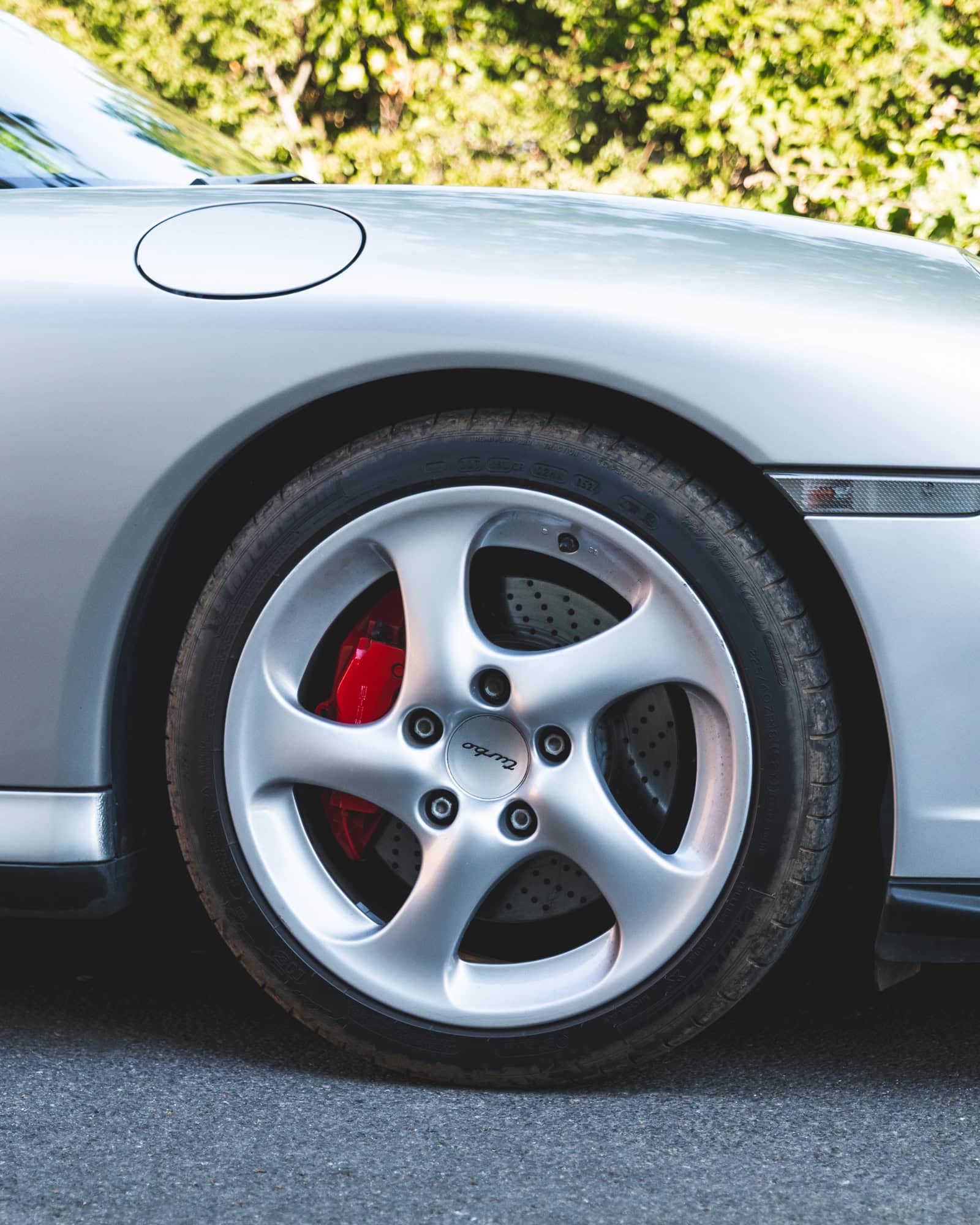
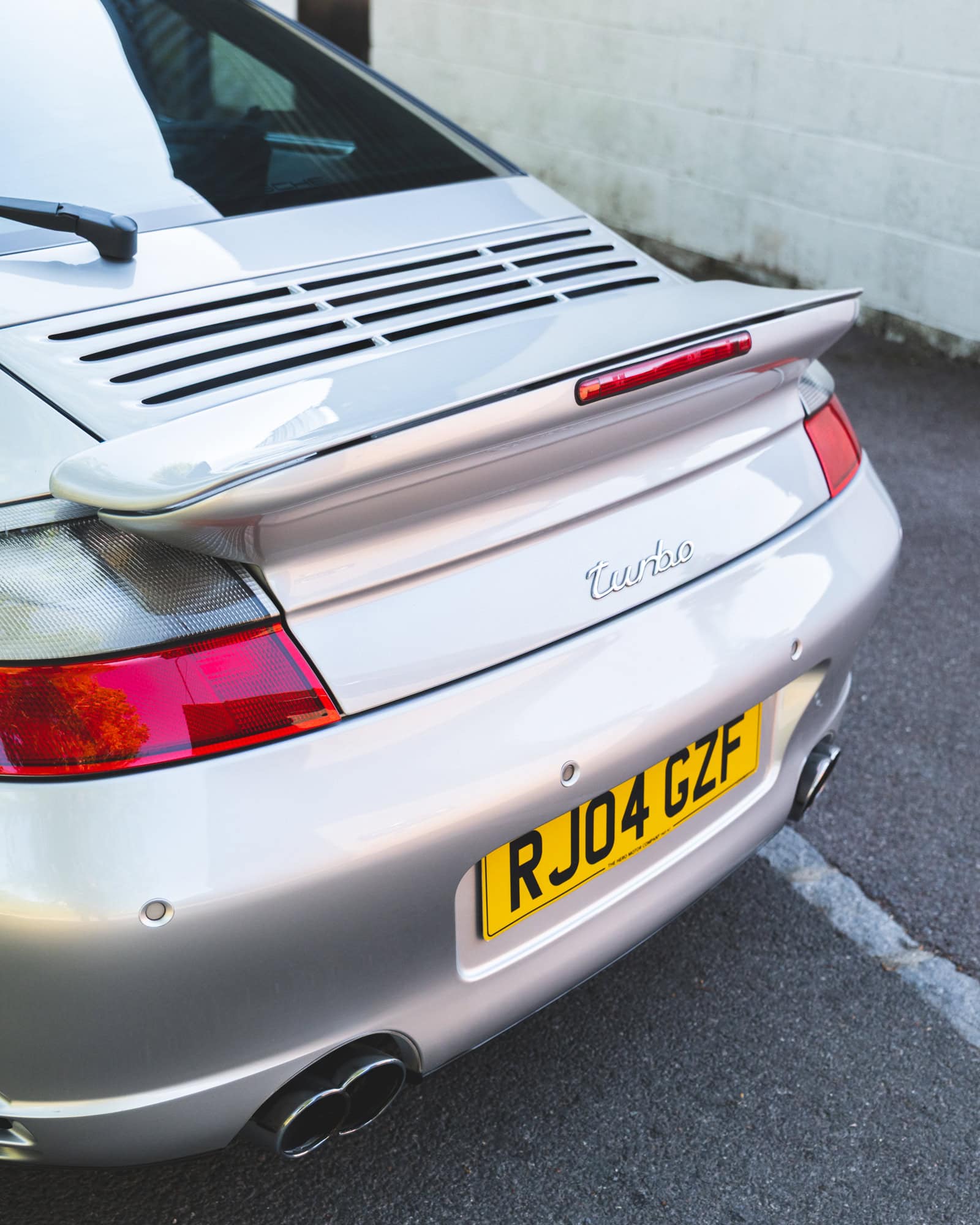
And then, sitting above all of this, are the cars which have never really been cheap.
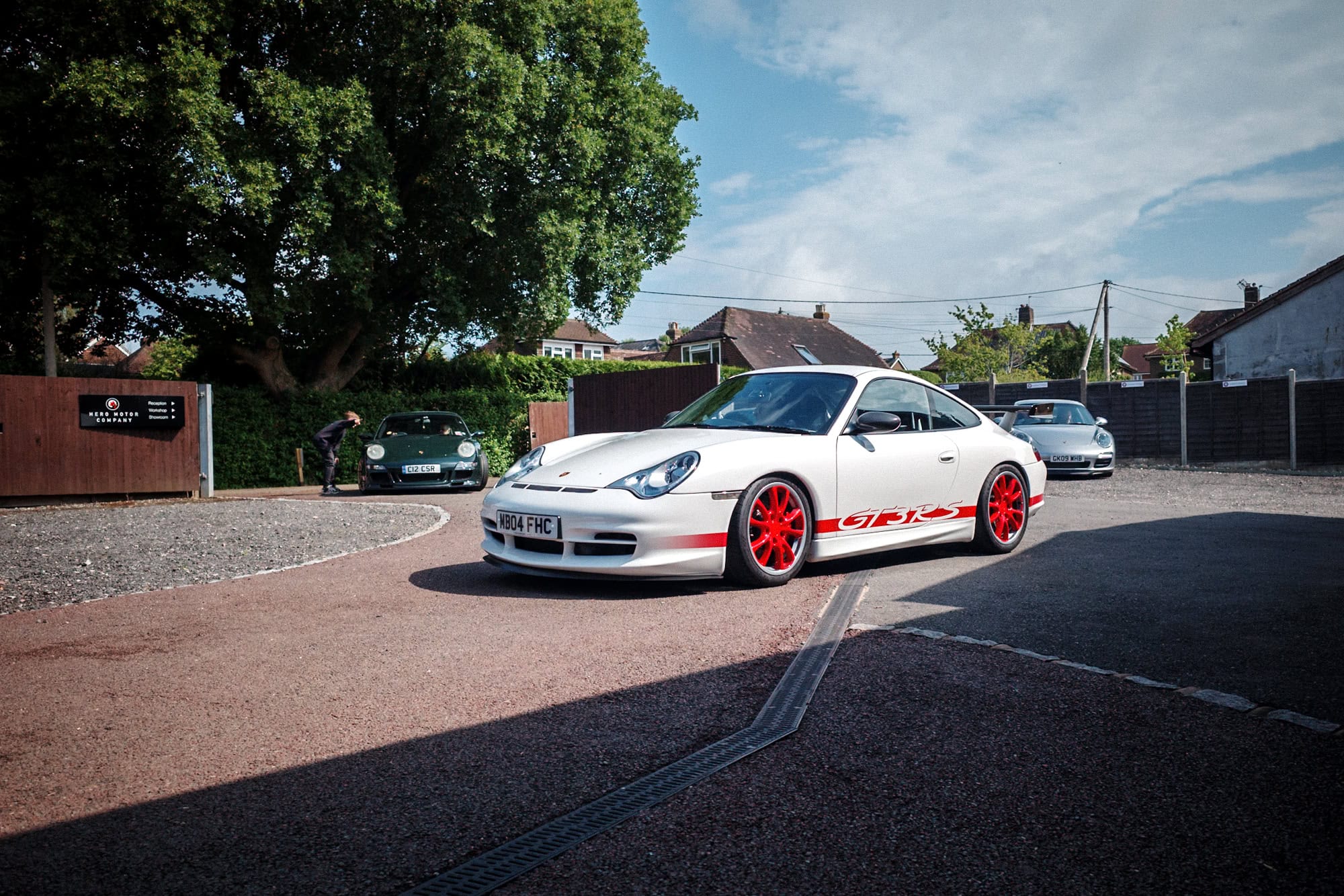
The Turbo. The GT3. The GT2. The RS.
These aren’t waiting for the 996 revolution.
They’ve already had it.
Why the Carrera matters.
The really interesting car isn’t necessarily the GT3.
It’s the ordinary Carrera.
Because the GT3 has already been discovered by collectors.
The Carrera hasn’t completely been discovered by everyone yet.
And that is exactly why it interests me.
A 996 Carrera is old enough to be interesting but modern enough to use. It has proper air conditioning, decent brakes, reasonable refinement, four seats of sorts and enough performance to behave how a Porsche should.
The 3.4-litre Carrera made around 300bhp, while the later 3.6 produced a little more. Performance is still properly serious, with the original Carrera capable of 0–62mph in roughly five seconds.
That’s more than anyone needs off the track.
And unlike an old air-cooled 911, you don’t need to dress like James Dean to justify owning one.
This is precisely why I suspect the next wave of buyers will be people currently in their thirties and forties.
The Playstation generation.
Think about the people who were teenagers when the 996 was new.
They remember these cars.
They saw them in magazines.
They saw them in games.
They watched them being driven by people who seemed impossibly wealthy.
And now those people are 35, 40 or 45 years old.
They have mortgages, jobs, children and increasingly questionable decisions about what constitutes a sensible weekend car.
Most importantly, they now have some money.
This is exactly the demographic that has been driving the appreciation of cars such as the E46 M3, Subaru Impreza, Mitsubishi Evo, Honda Integra and other performance cars from the late 1990s and early 2000s.
And the 996 sits right in the middle of that cultural sweet spot.
It is the Porsche they remember from childhood.
It is analogue enough to feel special.
It is fast enough to be exciting.
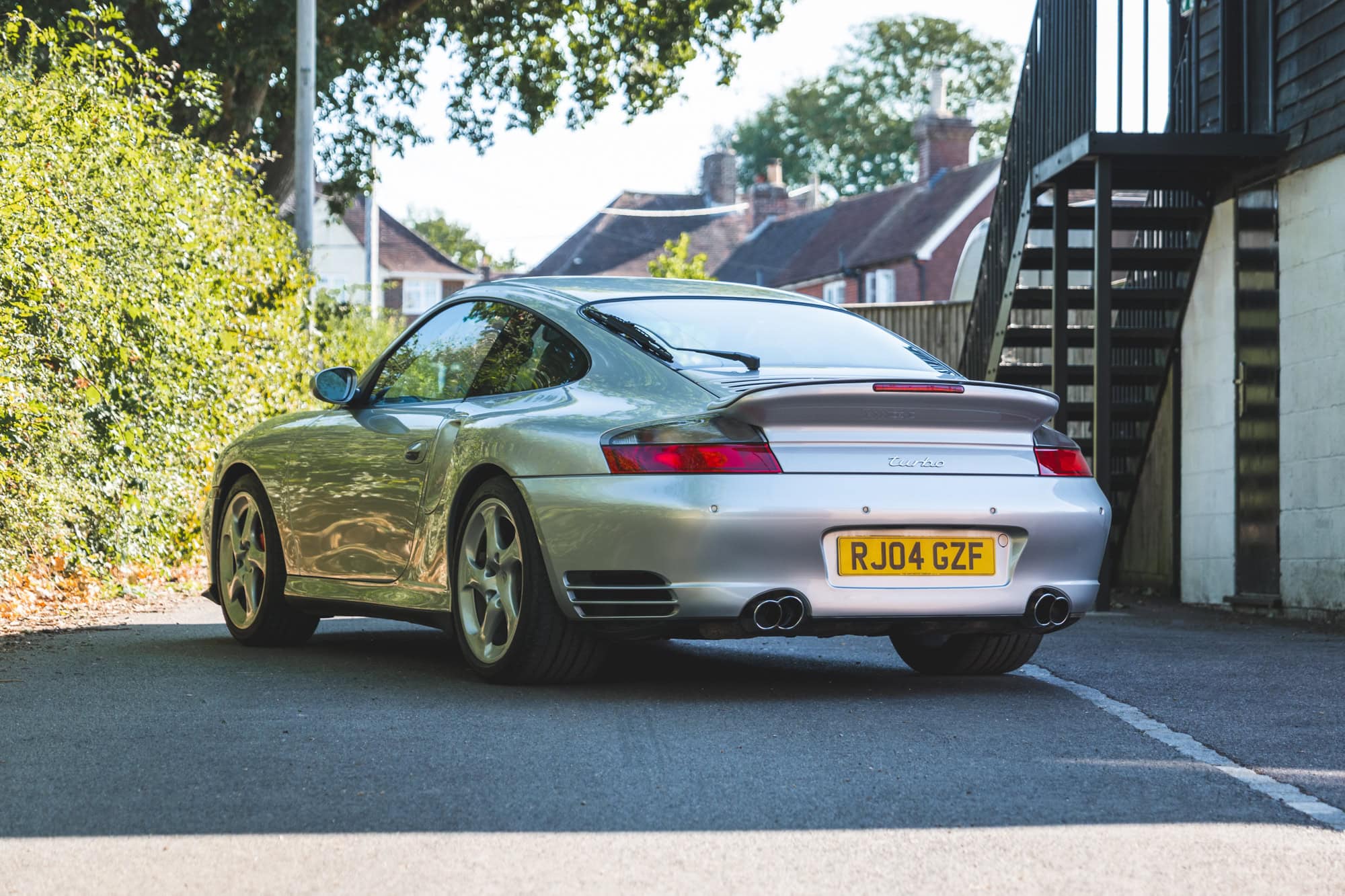
And, crucially, it still looks like a 911. From the back, at least.
Even the much-mocked fried-egg headlights are beginning to look less offensive.
This is how nostalgia works.
First you laugh at something.
Then you tolerate it.
Then you suddenly find yourself looking at one on an auction site when you’re supposed to be writing this article thinking, actually, that’s rather nice.
The IMS
Of course, we cannot discuss the 996 without mentioning the IMS bearing.
Because the internet has decided that every 996 is essentially a landmine with a posh badge.
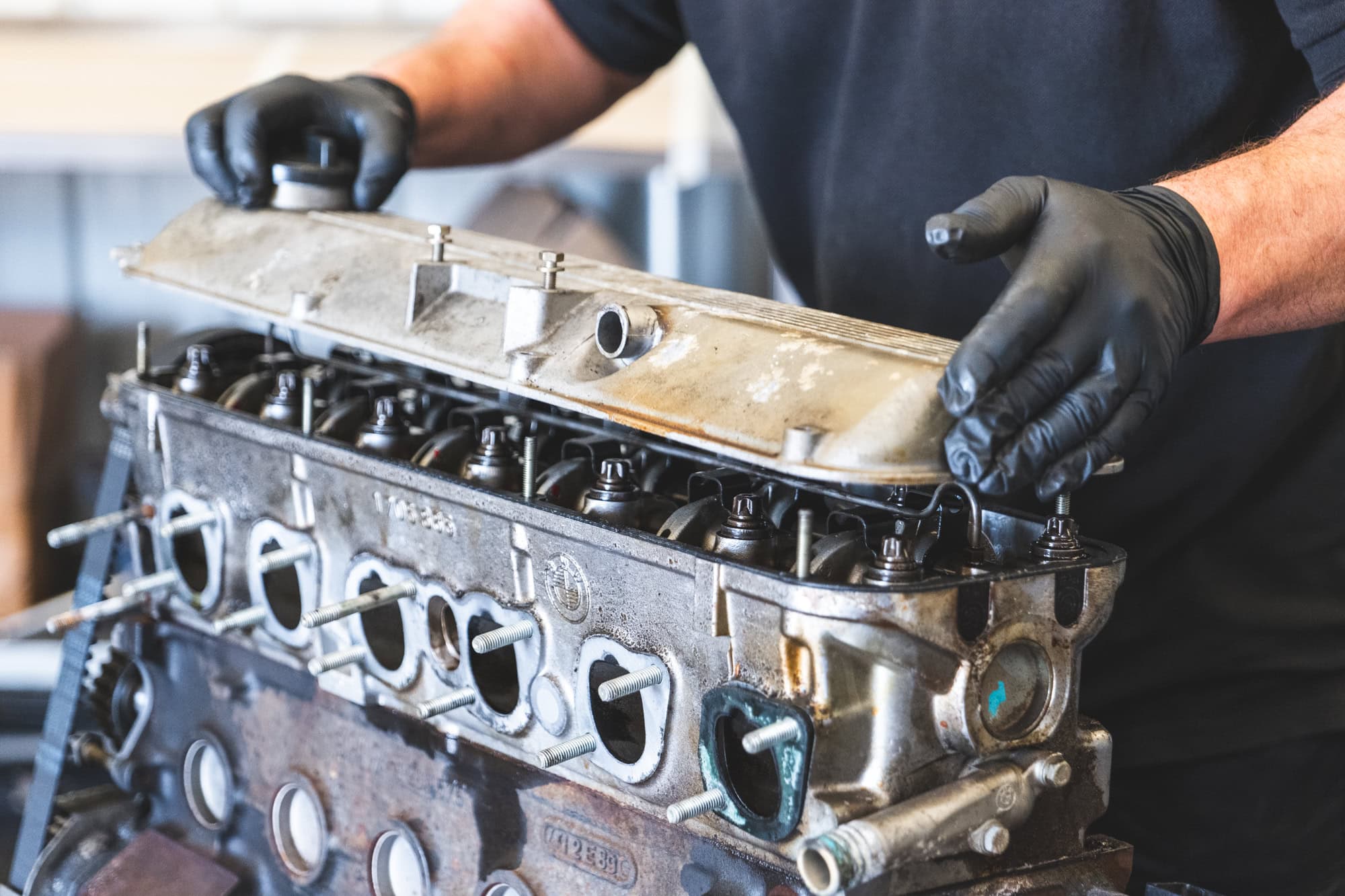
The intermediate shaft bearing can fail. Rear main seal leaks are a known issue, and there are also concerns surrounding cylinder liners and bore scoring on some engines.
These aren't imaginary problems, and a prospective buyer absolutely should investigate the mechanical history of any car.
But the reputation has arguably become larger than the reality.
Engine problems have helped define the 996's reputation online, but properly researched and maintained cars can make superb purchases.
And this has created another interesting phenomenon.
The car with the scary engine history is becoming desirable precisely because enthusiasts now know how to deal with it.
It’s like owning a tiger. You’re probably safe as long as you don’t cover yourself in BBQ sauce and stand at the business end.
A 996 with comprehensive history, evidence of appropriate maintenance and documented work is becoming much more valuable than a suspiciously cheap car that has been described by its seller as "a bit noisy when cold".
Which brings us neatly to the future.
The 996 isn’t going to become a £100,000 car overnight.
And nor should it.
There are far too many Carreras for that.
This isn’t a 911 2.7 RS. It isn’t a 964 Turbo. It isn’t a 993 Carrera RS.
The 996 was produced in significant numbers, and that will always put a ceiling on the ordinary cars.
But rarity isn’t the only thing that makes a classic.
Desirability matters. Condition matters. History matters. Specification matters. And survival matters.
As the cars pass their 20th birthdays, the pool of genuinely good, original examples naturally gets smaller.
That is the important bit.
We aren’t really talking about all 996s becoming valuable.
We’re talking about the good ones separating themselves from the rest.
The £10,000 car will continue to exist.
But the £10,000 car with 140,000 miles, three different shades of silver and a service history written in crayon isn’t necessarily going to become a collector’s car.
The manual, low-owner, properly maintained coupe in an interesting colour?
That’s a different proposition.
And the market is already demonstrating this.
Should you buy one?
If you're expecting me to say "buy one now because it'll double in value", I'm afraid I have some bad news.
I'm not a financial adviser.
I'm a man talking about old Porsches.
But there is a compelling enthusiast case.
The 996 has already survived its ugly phase.
It has survived the water-cooled controversy.
It has survived the IMS hysteria.
It has survived the years when Porsche purists would rather spend considerably more money on a 911 that had less power, less space and considerably more opportunities to kill them.
And now journalists are increasingly reminding us what the car actually is.
A proper 911.
A compact, relatively light, naturally aspirated, rear-engined sports car with a manual gearbox and enough performance to remain genuinely quick more than 25 years after launch.
That is quite a package.
And for enthusiasts in their thirties and forties, it has one final advantage.
We remember when these were new.
We remember the headlights.
We remember the sound.
We remember seeing them in the pages of magazines.
And now, somehow, we are old enough to buy one.
That is normally the point at which the market becomes extremely dangerous.
Because the moment an entire generation collectively decides that the car it wanted at 18 is the car it wants at 40, prices tend to do something rather unpleasant.
So if you have been looking at 996s and thinking, I'll wait a few years...
Don't.
Not because I think every 996 is about to become a £50,000 car.
But because the really good ones are already disappearing into collections, specialists and enthusiast ownership.
And once the wider public finally decides that the funny-headlight Porsche was actually one of the great ones, you'll be left standing outside a specialist's showroom asking why the £15,000 Carrera is now £28,000.
The salesman will smile.
You'll say, "But they used to be cheap."
And he will say the three words that every classic-car enthusiast eventually hears.
"Yes. They did."
- Callum