
















Mo Dealers, Mo Problems | Part II: Snap On, Snap Off.
Workshop
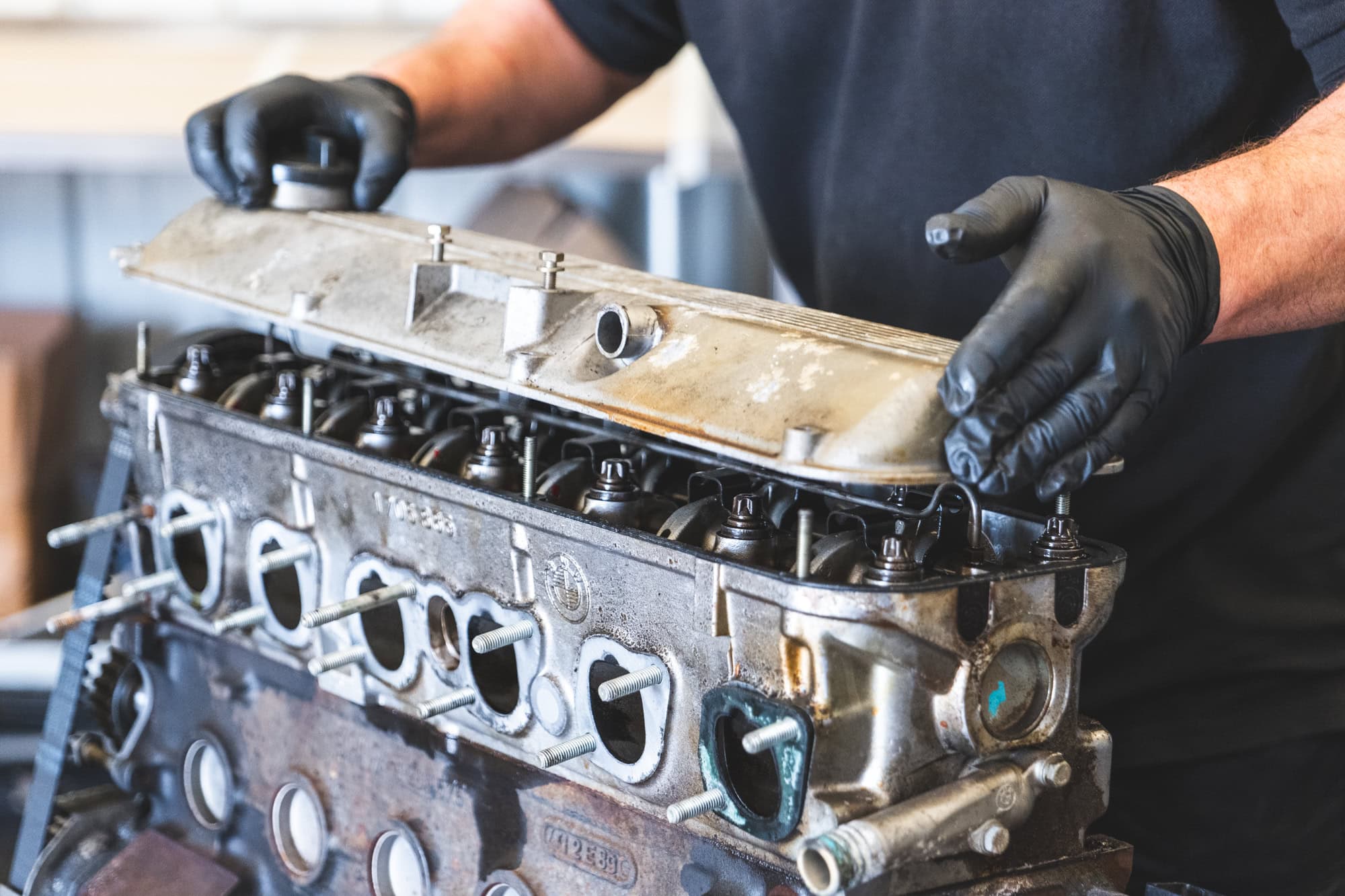
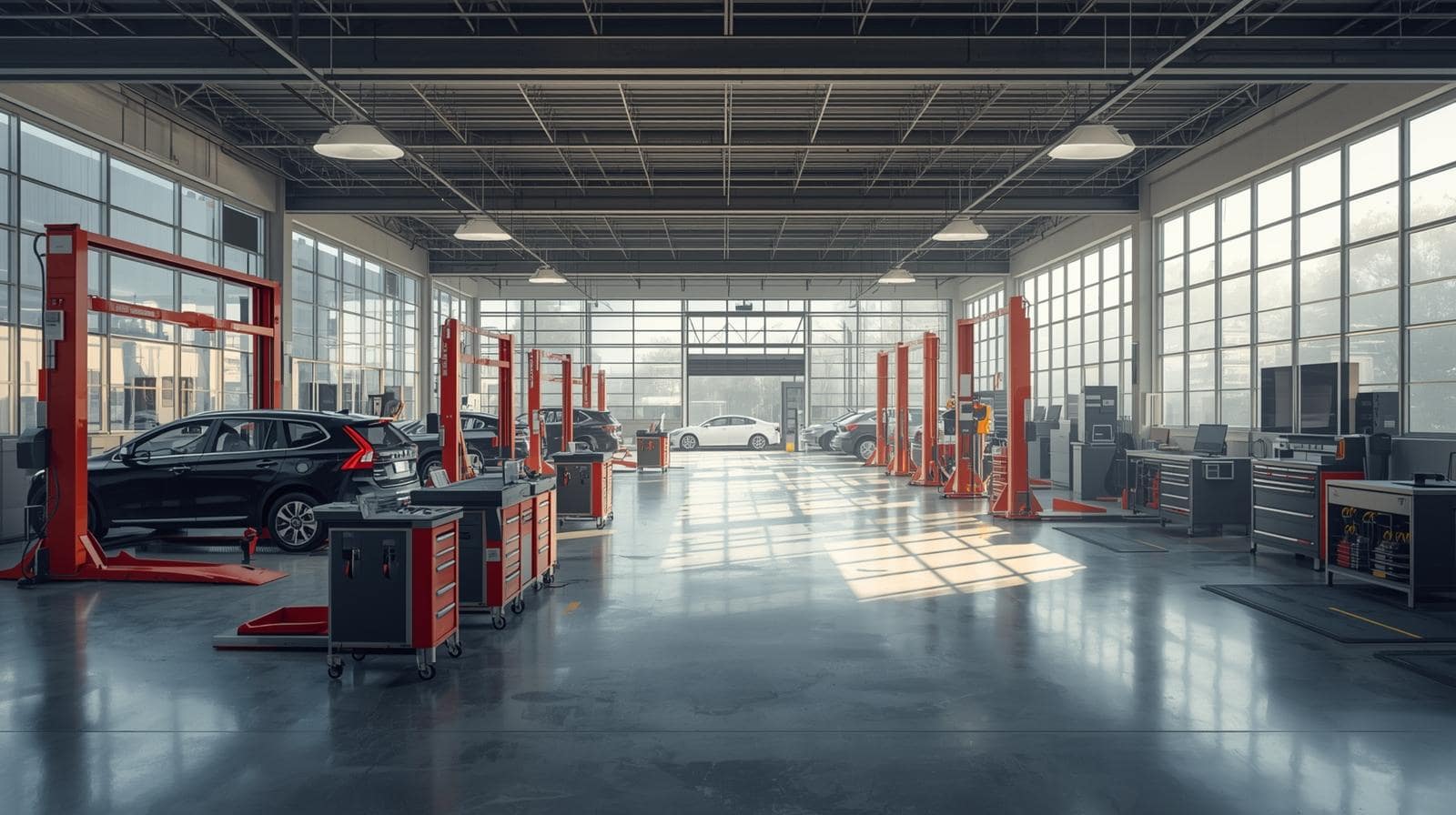
Welcome to the main course. This is where we stop politely nodding at brochures and start poking around the oily, fluorescent-lit heart of the beast: the workshop. The engine room. The place where cars go in sick and either come out cured… or where we introduce you to a salesman.
Now, credit where it’s due. The training given to new technicians in the main dealer world is, frankly, very good. Properly good. The sort of good that involves certificates, specialist tools, and men in branded polo shirts explaining why you must never do the thing you watched on YouTube last week. Dealers actively encourage long-serving staff to go on more courses, learn new approved tricks, and climb the greasy ladder of mechanical enlightenment.
But here’s the problem. Modern cars don’t live very long. Not really. They’re leased, handed back, replaced, and forgotten faster than last year’s iPhone. So young technicians rarely get their hands dirty with anything more dramatic than servicing, brakes, or the occasional sensor having a nervous breakdown. And as a result, many of them get bored. Properly bored.
So what happens? They qualify, get the magical title of “technician” and then promptly leg it to another dealership for a better wage and crucially, the chance to no longer be known as the new lad who makes the tea.
Money, as ever, is where things get tense. The techs I spoke to all said the same thing: take-home pay isn’t what it used to be. Five or ten years ago, bonuses could add an extra grand a month. A proper wedge. But thanks to some creative restructuring (usually by people who’ve never held a spanner) the bonus system has been surreptitiously and ruthlessly tilted away from the technicians favour. In many cases, it’s been nearly halved.
Efficiency is the name of the game. Senior techs sit around 80%. Service techs, a thundering 90 to 95%. Why? Because they’re rattling through basic services faster than the book time allows. Oil out, oil in, stamp the book, next patient please. If parts turn up on time and service advisors can extract authorisation from customers before the tyres hit the ground, bonuses rain from the heavens.
Master techs however, live in a different universe. Their efficiency hovers around 45%. That sounds dreadful until you realise they get the horrible jobs. Diagnostics, electrical gremlins, the sort of faults that only appear when you aren’t looking at them. There’s no rushing these jobs, no easy bonus to be had and no joy.
Ask any main dealer technician and they’ll tell you the same thing, with the weary tone of a man who’s said it a thousand times, “We don’t repair. We replace.”
And they’re right. On modern cars, where parts are readily available and relatively affordable, it makes absolutely no sense to spend an hour fixing a window switch when a new one can be clipped in within minutes. The customer pays less. The car leaves quicker. Everyone wins.
Because, time in a commercial workshop is not money. It’s everything.
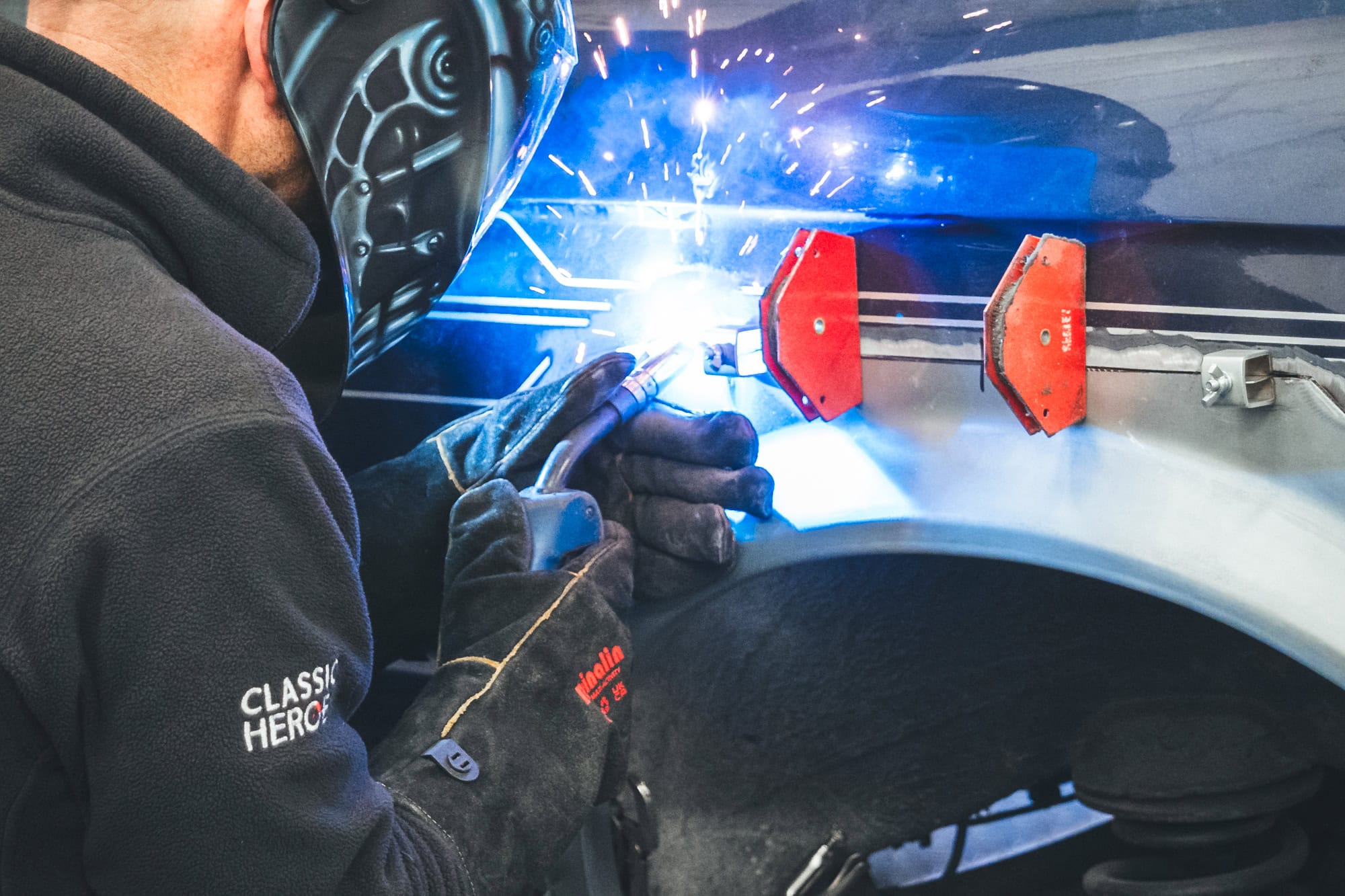
An older car, meanwhile, is like defusing a bomb made of rust. Corroded bolts, brittle fasteners and components that disintegrate on contact can destroy an inexperienced tech’s efficiency in seconds. Snap a bolt and that’s it. Pencils down. Game over. Removing that broken bolt is subcontracted out at about £200 and everyone pretends it was unavoidable.
Diagnostics are universally despised by workshop controllers. Hours can vanish chasing intermittent electrical faults or software tantrums, most of which aren’t chargeable. They annihilate efficiency figures and obliterate workshop targets. Cars have become so overly complicated that, at one point in our dealership, we were only allowed to book four diagnostic jobs a day. Any more and the spreadsheet turned a hazardous shade of red.
Then there are recalls. Miss one and the manufacturer will rain financial hell upon you. If a car comes in for a routine service and it has an outstanding recall, it must be done immediately, or rebooked within seven days. No excuses. No mercy.
It would be very easy for me to make main dealer workshops sound like a grim industrial purgatory. Professional courtesy prevents me from sharing a few stories that would make your eyebrows attempt escape velocity, it’s not all bad.
Because when you buy a used car, what do you look for first? Full main dealer service history. Every time. And that isn’t about to change anytime soon.
We’re lucky to have clients who are enthusiasts. The machines our customers bring us are toys, passion projects, things to be polished, admired, and occasionally driven very fast for no sensible reason. But for the vast majority of people, those who rely on a car to get to work, to the shops, or to collect children from school, main dealers have one unbeatable advantage. Scale.
They can take your car in, have the parts on the shelf, the tools ready, and get it back to you the same day. Yes, it costs more. But you only lose one day of work, not three. And the car comes back ready to face school runs, commutes, and life’s unexpected excursions.
Even independents like us benefit from this machine. A fully staffed parts department means genuine parts delivered the next morning by a friendly chap in a van. It’s a system that works.
And finally, the technicians. Every one of our mechanics started in a main dealer. That’s where they learned the basics, survived the chaos, and have since picked up a few new tricks that make them some of the best in the business.
Next time, we move away from the spanners, shine our shoes and step into the world of sales, including how one manufacturer completely rewrote the rules of how we buy cars today.