












Mo Dealers, Mo Problems | Part III: Why Everyone Involved Is Slightly Miserable.
Sales
By the time you walk into a main dealer showroom, two things are universally true. One, the coffee will be terrible. Two, everyone in the building is fighting for their lives.
I’ll preface this final section by saying that sales is the area I have least experience with. What follows is a combination of observations and first hand anecdotes from the few salesmen who were willing to get into the ‘nitty gritty’ with me.
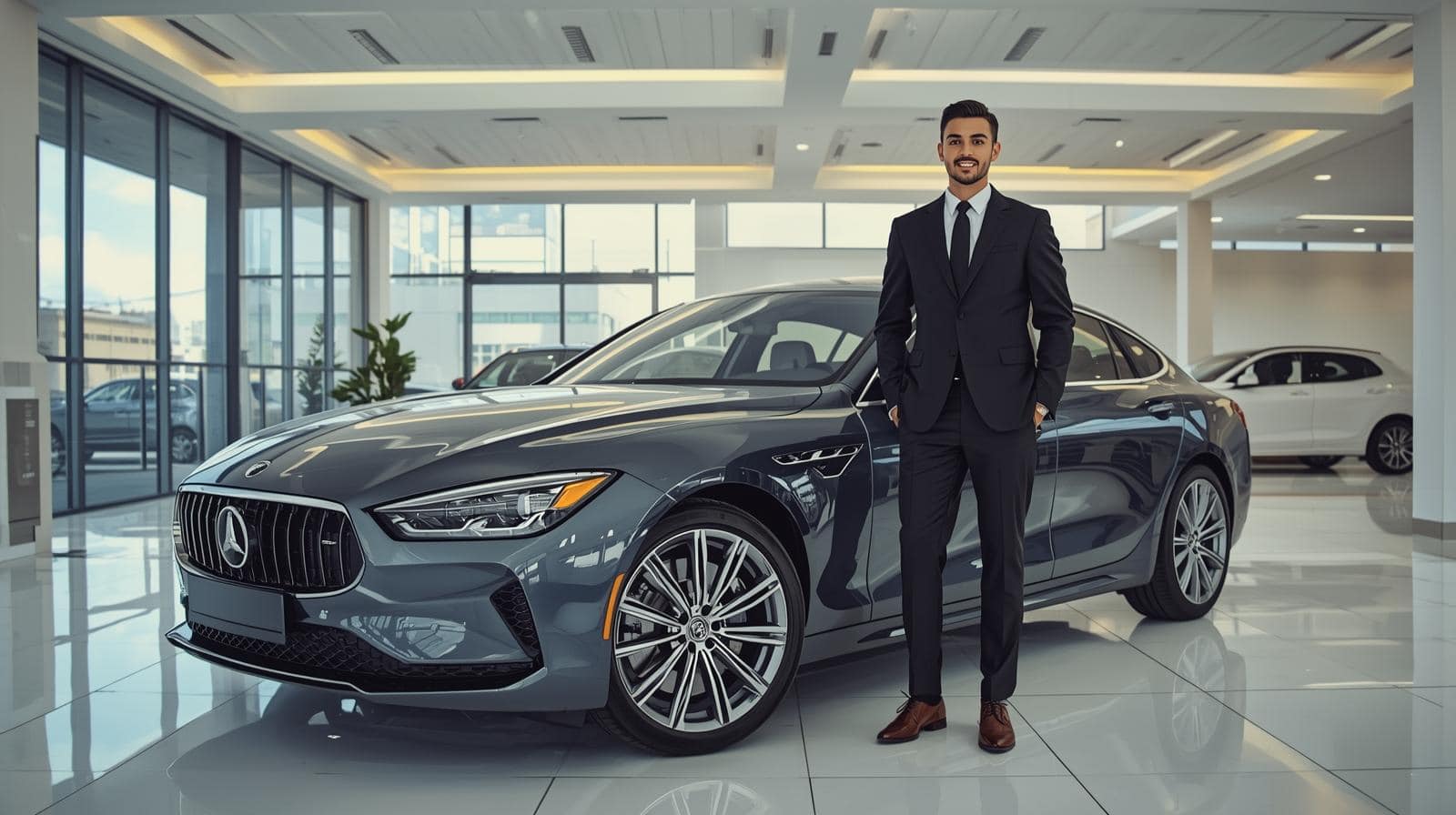
Buying a car from a dealer, is not a transaction. It’s a slow-motion psychological cage fight involving spreadsheets, targets, fake smiles and a man in a shiny suit who hasn’t had a full weekend off since 2015.
I often got along well with the salesmen in my dealership. Surprising really, as dealerships are a very fractured place to work. Tribalism runs deep under the fluorescent lights. But, because I understood the benefits of tit for tat, I was able to move between departments with very little friction. There were many times a newly sold car would have an unexpected issue and the salesman, fearing a refusal, return and corporate bollocking, would throw himself at the mercy of the service advisors to let their customer jump the workshop queue. That right there was a favour in my pocket when I needed it. It’s what makes a dealership function.
My desk afforded me a brilliant vantage point for observation and watching how the wheels really turned. Let’s start with timing. Never, ever buy a car at the beginning of the month. That’s when salespeople are relaxed, optimistic, and dangerously confident. No, what you do is stroll in around the middle of the month. Ask intelligent questions. Look interested. Then leave.
Because here’s the thing. By the last few days of the month, that same salesperson will be sweating like a polar bear in Hawaii. Targets loom. Bonuses dangle just out of reach. The sales manager wants the car in this month’s figures. Next month is useless to them. This is your moment. This is when the haggling begins.
Don’t fall for the tricks. Like balloons. Nothing says “URGENT BANK HOLIDAY SALES EVENT” like a forecourt covered in latex and false hope. This trick is older than the Vauxhall Cavalier, but it still works. Punters pile in. Salespeople are dragged in on their days off. Everyone pretends it’s exciting. It isn’t.
Now, let’s address the great myth that new cars are stuffed full of profit. They aren’t. There’s barely anything in them at all. Dealerships make money on volume shifting enough cars to hit manufacturer bonus brackets. This is why pre-registered cars exist. They’re accounting exercises. Cars the dealer has technically bought themselves to inflate the numbers, and they desperately want rid of them.
Used cars on the other hand, is where the gravy train reaches the station. That’s why the smile is wider, the enthusiasm greater, and the conversation mysteriously drifts toward warranties, paint protection, upholstery protection, service plans and if you stone face long enough, possibly that new conservatory the wife has been asking for.
Each of these little extras earns commission. Sometimes £25 Sometimes £150 It all stacks up. A high-volume used car might earn a salesperson £80–£150 on the metal, then more on the add-ons. New cars? Often peanuts.
Which brings us neatly to finance. There was a time when buying a car meant handing over a few inches of crisp pound notes. That is, until General Motors introduced finance options to their customers and revolutionized the way we buy cars. By the 2000s it was big business, with companies like Peugeot stealing a march in the race to put you in a brand new car for as little as £99 a month. It was a game changer. It was the beginning of whitegoods motoring. Cars no longer had to be fast, comfortable or even ‘good’, they just had to be affordable. The world never really went back after that.
If you are taking finance, before agreeing to anything, ask how much commission they are making on it. They legally have to tell you. If it’s a few hundred pounds, fine. That’s reasonable and we all need to make a living. If it’s nudging a grand, you haggle the rate down. Calmly. Firmly. Like a man returning cold soup.
Now, a word about stock. I make no bones about modern cars being bland, forgettable whitegoods. I can’t remember the last car advert I saw that told me how good the car is to drive, the voiceover is far too busy telling me all the ways I can connect my phone to it. Fascinating. Which means if you’re not fussy, but have £350 a month to spend, you’re in luck.
If you want a very specific car, exact colour, exact wheels, exact options, don’t expect a heroic discount. Factory orders don’t scare dealers. Cars sitting on the forecourt do. Stock cars need to move. If you’re flexible, deals can be had. If you’re fussy, bring your wallet.
Spare a thought though, for the sales staff themselves. The job is grim. Targets are relentless. Twelve cars a month might mean £40-50k a year, if you hit it. Miss it, and you’re into meetings. Three a day. Cold calling. Calls being listened to. Days off cancelled. Weekends sacrificed. Stress through the roof. Staff turnover is high, because most people realise they’d rather be poor than unhappy and poor.
The ones who make big money? They’ve been there for years. They’ve built a loyal customer base. They get first dibs on internet leads. Even the veterans still have good months and bad months but they have the experience to know they’re only ever as good as their last sale and to stay hungry.
A salesman remarked that anyone with a thick skin who can weather inhumane levels of midday boredom, will do well. If you’re a car enthusiast dreaming of selling M5s all day, forget it. For every exciting car, there are twenty washing machines that need to be shifted. That same jaded salesman said the trick is to stop caring about cars entirely and just see them as white goods with wheels.
And that, in the strange world of main dealer car sales, is what we call a fair fight.